Need help learning how you can get started?
AND
Read our Flight Instructor Assignment Guide & Process in the Students & Renters Banner, under Welcome To BFC
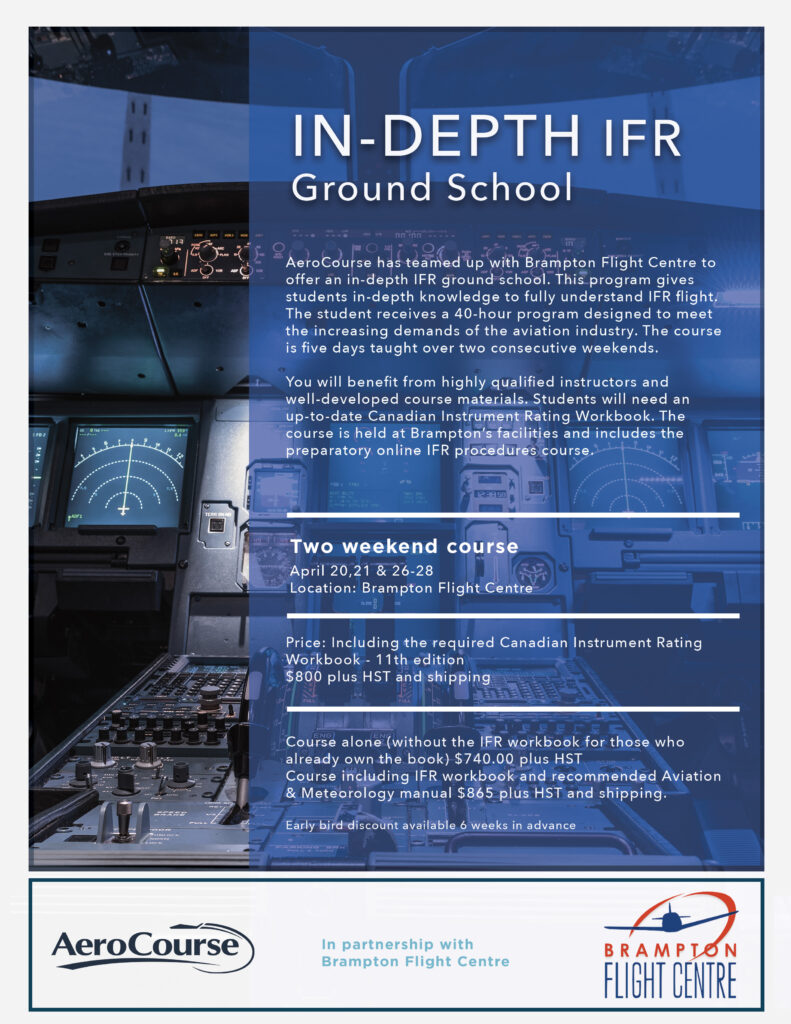
AeroCourse will be delivering a 5-day In-Depth IFR Ground School Course at BFC in April.
For more information and to register, please see AeroCourse’s site (Linked above) or contact [email protected]
Discounted Rate for those who sign up before March 15!

Interested in tasting flight and getting a chance to take over control of the aircraft? We recommend an Introductory Flight.
Need help with the perfect gift? We can help! Purchase a gift card so they can use at their convenience.
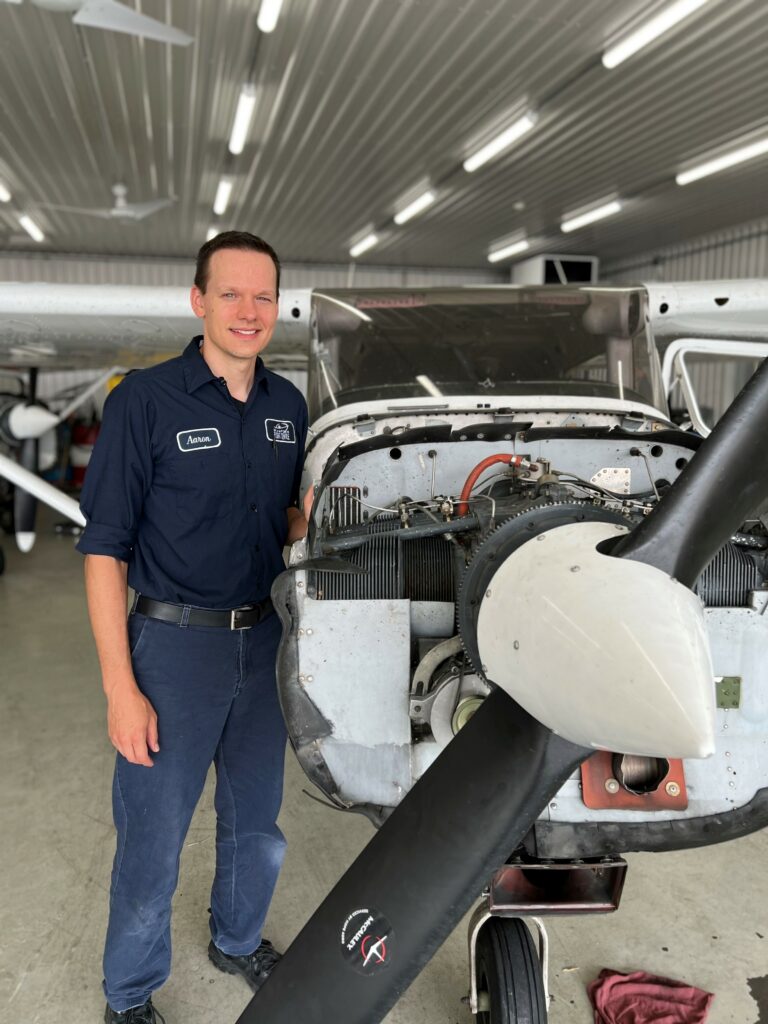
Cessna Service Centre, annual inspections, engine overhaul, Cessna parts and other aircraft parts, aircraft rebuilds, sheet metal repairs, and more.

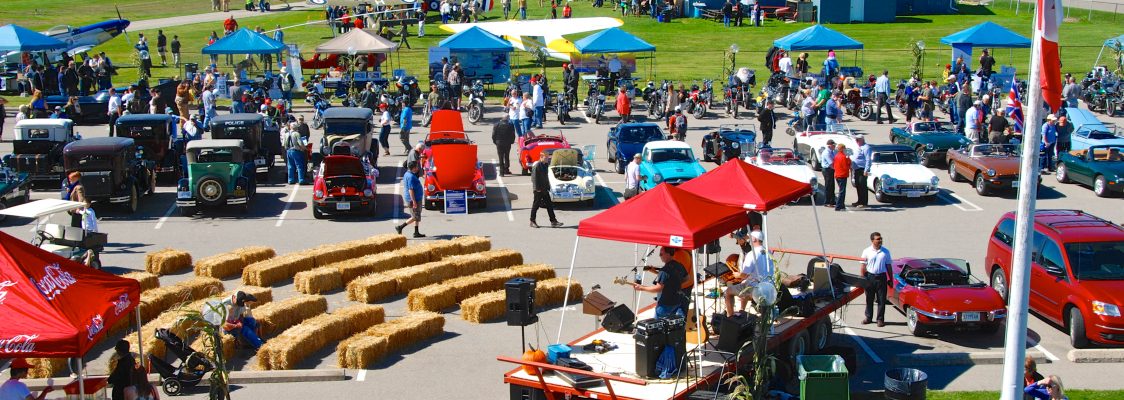
SOCIAL EVENTS
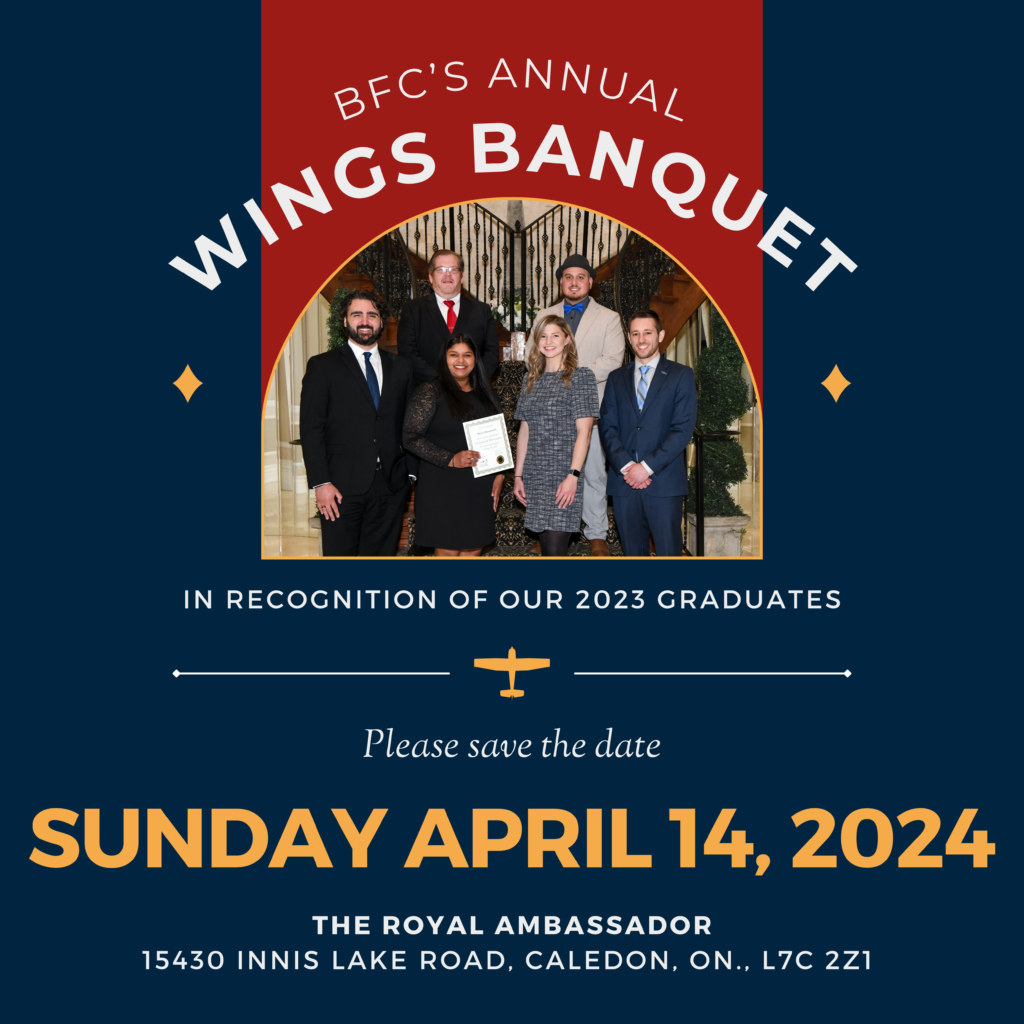
THANK YOU to everyone who came out and joined us to Celebrate the 2023 Graduates at the beautiful Royal Ambassador in Caledon.
Photos of our Graduates and the Event will be shared soon! Stay Tuned!
Exceptional Training. Excellent Facilities. Energized and Welcoming Environment.
Thousands of pilots have trained and graduated from Brampton Flight Centre (BFC) flight training programs since 1946. Check out our page on First Steps for guidance on how to start your Flight Training. If you wish to obtain your Commercial licence for career purposes, we have a Program Comparison Chart which will help you to decide which route would work best for you. Many BFC graduates now have very successful and rewarding careers in the aviation industry as airline pilots, Transport Canada inspectors, safety investigators and business managers.
BFC’s reputation is highly regarded both in Canada and internationally for pilot training as a recreational pilot or to become a professional pilot. We do not charge additional flight training fees for international students. The BFC is an active member of the Air Transport Association of Canada (ATAC) and is registered as a career college under the Ontario Career Colleges Act, 2005.
The Brampton Flight Centre is owned and operated by the Brampton Flying Club. The BFC is an innovative, thriving, member-owned organization that strives for excellence in the products and services offered. Our top priority is safety and security. Our mission is aviation education. The high quality flight training programs taught by our Transport Canada licenced flight instructors have provided our pilots the skills and knowledge to enable them to achieve their flying goals.
One of our most prestigious programs is the Integrated Airline Transport Pilot Licence Program – approved by Transport Canada. This program is designed to provide students with the skills required and sought after by airlines. It uses a state-of the art full motion airline simulator that is used by major airlines. Graduates are eligible to apply directly to airline pathway programs.
BFC is one of the few flying clubs in Canada to own an airport. Owning our own airport offers students and members many advantages. Some of these advantages include but are not limited to: the beautiful facilities including the airport, restaurant, maintenance & overhaul shop, full service fueling facilities and our modern fleet of aircraft, all of which are owned by the BFC. In addition, the Brampton-Caledon Airport location is excellent for flying as there is quick access to the student pilot practice area providing ample opportunity for pilots to gain experience flying in uncontrolled and controlled airspace.
BFC is home to a thriving aviation community including the Great War Flying Museum, Recreational Aircraft Association (RAA) – Toronto, 892 Snowy Owl Air Cadet Squadron, along with privately owned aircraft and hangars.
Flying is fun and no previous experience is required! BFC offers various different programs at different intensities, so we will be able to match a flight training program to your needs. It doesn’t matter what age you are or if you want to fly and earn your wings as a recreational pilot, private pilot, commercial pilot or as an airline transport pilot, BFC will help you to succeed by designing a personal program and offers a schedule that can be catered to you. Call today, 905-838-1400.